
Cricket Control Strategies For Warehouses And Storage Facilities
People searching for cricket control strategies for warehouses and storage facilities are typically aiming to eliminate infestations, and local service providers can implement effective solutions to keep these spaces pest-free.
If managing pests is a concern for warehouses and storage facilities, exploring effective cricket control strategies is a practical step toward maintaining a clean and pest-free environment. Crickets can become a persistent nuisance, damaging stored goods and creating discomfort for staff. Property owners in the area often seek out targeted solutions to prevent infestations before they escalate, making it important to understand the most effective approaches. Local contractors specializing in commercial cricket control offer tailored services designed to address these specific challenges, helping businesses protect their inventory and uphold operational standards.
Continuing to read can provide valuable insights into how professional cricket control services can be integrated into overall pest management plans for warehouses and storage facilities. These local service providers understand the unique needs of commercial properties and can implement strategies that reduce cricket populations efficiently. By connecting with experienced contractors, property owners can access practical, reliable solutions that help minimize disruptions and safeguard their premises. This information aims to support informed decisions about pest control options, ensuring that warehouses remain secure and pest-free environments.
- Cricket exclusion work - when warehouses experience recurring cricket infestations, local contractors implement sealing and exclusion techniques to prevent entry.
- - storage facilities dealing with ongoing cricket issues may need habitat reduction strategies, which local service providers handle through debris removal and structural adjustments.
- - facilities seeking to create a cricket-resistant environment often rely on local pros to install barriers around entry points and vulnerable areas.
- Infestation treatment services - when crickets have established inside a warehouse, nearby contractors apply targeted treatments to eliminate existing populations effectively.
- - warehouses aiming for long-term cricket control engage local experts to set up monitoring systems and recommend preventative measures.
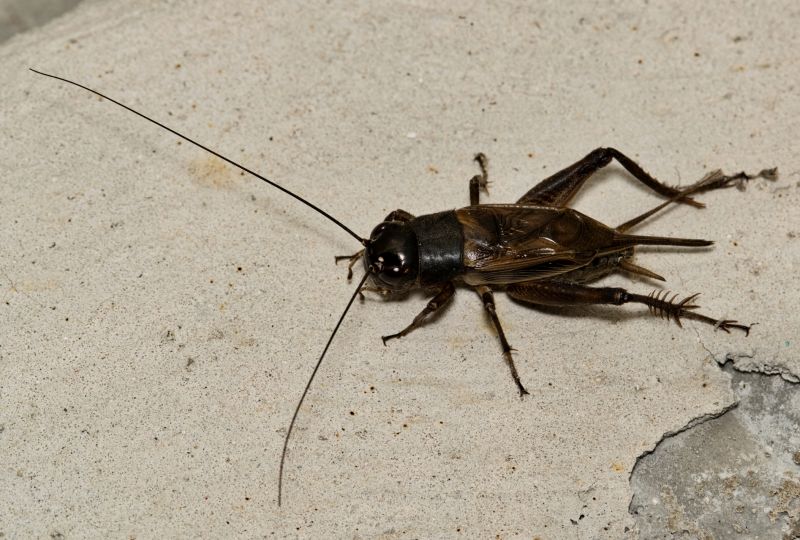
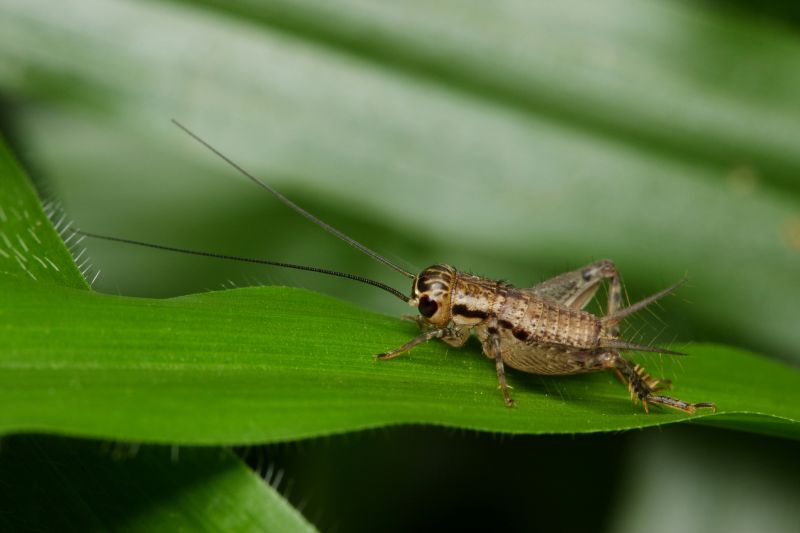

When people search for cricket control strategies for warehouses and storage facilities, they are usually looking for effective methods to prevent and manage cricket infestations in large commercial or industrial spaces. These searches often stem from concerns about pests damaging stored goods, contaminating products, or creating an unsanitary environment. Warehouse managers and property owners want practical solutions that can be integrated into their ongoing pest management plans, ensuring that crickets do not become a persistent problem. The focus is on identifying ways to keep these pests out of the facility, reduce their presence if they are already inside, and implement long-term prevention techniques.
The problems associated with cricket infestations in warehouses and storage facilities can range from minor nuisance issues to significant operational disruptions. Crickets can damage packaging, chew through stored materials, and leave behind droppings that compromise product quality. These pests are often attracted to dark, cluttered areas with easy access points, making large storage spaces vulnerable if not properly maintained. Plans for cricket control in these settings typically involve a combination of sanitation, exclusion, and targeted pest control measures. Effective strategies aim to eliminate hiding spots, block entry points, and reduce food sources that attract crickets, all while maintaining safety and compliance standards.
The types of properties that frequently encounter cricket control challenges include warehouses, distribution centers, storage units, and manufacturing facilities. These properties generally feature large open spaces, high ceilings, and areas that are seldom disturbed, creating ideal environments for crickets to thrive. Storage facilities that house food products, textiles, or paper goods are particularly susceptible, as they provide abundant food sources. Additionally, properties with structural vulnerabilities-such as cracks, gaps around doors and windows, or poorly sealed foundations-are more prone to cricket entry and infestation. Understanding the specific characteristics of these properties helps in designing tailored cricket control strategies that are both effective and sustainable.
Implementing cricket control strategies for warehouses and storage facilities often involves working with experienced service providers who understand the unique challenges of commercial properties. These local pros can assess the property’s layout, identify entry points, and develop customized plans that include exclusion techniques, sanitation improvements, and targeted pest control treatments. Their expertise ensures that the solutions are practical for large spaces and can be integrated into ongoing maintenance routines. Connecting with local contractors who specialize in commercial cricket control provides property owners with the knowledge and tools needed to manage infestations effectively, helping to protect inventory and maintain a safe, pest-free environment.
Pest exclusion projects - local contractors specializing in pest exclusion can implement barriers and sealing techniques that complement cricket control strategies for warehouses and storage facilities.
Rodent control services - expertise in rodent management often overlaps with cricket control, as both require effective sealing, trapping, and sanitation practices in storage environments.
Facility sanitation programs - sanitation-focused projects help reduce attractants for crickets and other pests, supporting comprehensive cricket control strategies for warehouses and storage facilities.
Building maintenance and sealing projects - local service providers can perform repairs and sealing to prevent pest entry points, enhancing cricket control efforts in storage areas.
Storage facility inspections - detailed inspections by local pros identify vulnerabilities and pest harborage areas, aiding in the development of targeted cricket control strategies.
Pest management consultations - general pest management services often include advice and planning that align with cricket control strategies for warehouses and storage facilities.
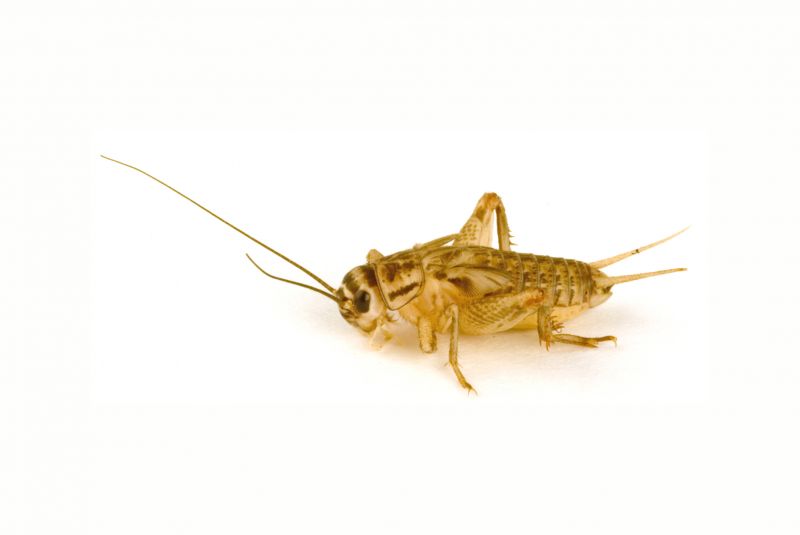
When evaluating service providers for cricket control strategies in warehouses and storage facilities, it is important to consider their experience with similar projects. Homeowners should look for local contractors who have a proven track record of handling cricket control in commercial environments, particularly those that involve large storage spaces or warehouse settings. An experienced professional will understand the unique challenges of managing pests in such facilities and be familiar with effective strategies tailored to these environments, ensuring that the approach is both practical and comprehensive.
Clear written expectations are essential when comparing local contractors for cricket control services. Homeowners should seek providers who can offer detailed descriptions of their proposed methods, including the scope of work, specific pest management techniques, and any follow-up or ongoing maintenance plans. Having a transparent plan helps ensure that both parties are aligned on what will be done, reducing misunderstandings and providing confidence that the chosen service provider understands the requirements of cricket control in a commercial setting.
Reputable references and strong communication skills are key factors in selecting the right local pros. Homeowners can ask potential contractors for references from previous clients with similar projects, which can provide insights into the quality of work and reliability. Additionally, service providers who communicate clearly and promptly can make the process smoother, providing updates and answering questions throughout the project. Good communication helps establish trust and ensures that expectations are managed effectively, leading to a more successful cricket control strategy for warehouses and storage facilities.
Property owners often search for cricket control strategies for warehouses and storage facilities when they are planning practical projects around their homes and businesses. Local pros provide Commercial Cricket Control services for everyday jobs and straightforward project options.
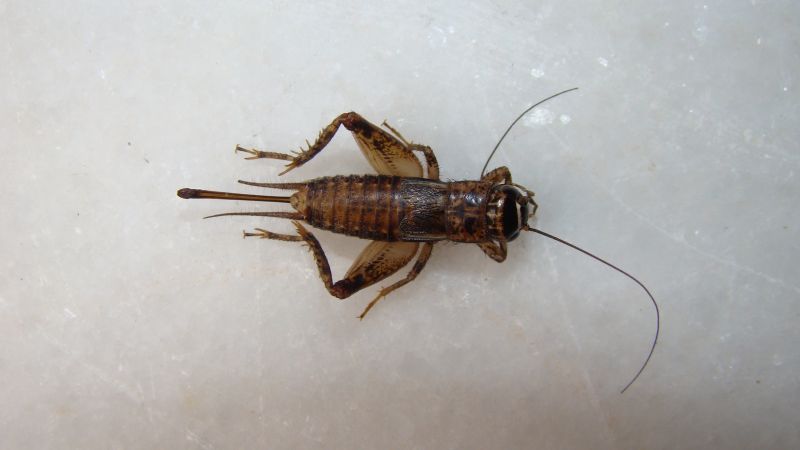
In warehouse and storage facility environments, cricket control strategies are essential for maintaining a clean and pest-free space. Property owners often look into these strategies after noticing signs of cricket activity, such as noise, droppings, or damage to stored goods. Implementing effective cricket control measures can help prevent infestations that might disrupt operations or cause damage, making it a common concern for those managing commercial spaces. Local contractors specializing in pest management can assess the specific conditions of a facility and recommend tailored cricket control solutions that fit the unique needs of the property.
Many property owners turn to professional cricket control services to address ongoing or recurring issues. These service providers typically employ targeted approaches that focus on sealing entry points, reducing attractants, and applying treatments where necessary. For warehouse and storage facilities, working with experienced local contractors ensures that strategies are practical and effective within the context of a busy operational environment. Contacting these specialists can provide peace of mind by helping to develop a comprehensive plan to keep crickets out of the property and safeguard inventory and operations.
What are effective cricket control strategies for warehouses and storage facilities? Local contractors often recommend a combination of sealing entry points, maintaining cleanliness, and applying targeted treatments to prevent cricket infestations in warehouses and storage areas.
How can I prevent crickets from entering my warehouse or storage facility? Professionals suggest sealing gaps, cracks, and vents, along with regular inspections and reducing clutter to minimize hiding spots and entry points for crickets.
Are there specific treatments that work best for cricket control in commercial storage spaces? Yes, experienced service providers typically use residual insecticides and baiting systems designed for indoor environments to effectively manage cricket populations.
What maintenance practices support ongoing cricket control in warehouses? Regular cleaning, prompt repair of structural damages, and routine inspections help sustain control efforts and prevent re-infestations.
Can local contractors help with ongoing cricket management in large storage facilities? Absolutely, many service providers offer ongoing monitoring and treatment plans tailored to the needs of warehouses and storage facilities to keep crickets at bay.
Identify entry points - inspecting and sealing cracks, gaps, and holes can prevent crickets from entering storage areas, and local contractors can assist with effective sealing solutions.
Implement sanitation practices - keeping the warehouse clean and free of debris reduces hiding spots and food sources, with professional guidance on best sanitation methods.
Use targeted barriers - installing screens or physical barriers around vents and doors helps block crickets, and service providers can recommend suitable materials and installation techniques.
Apply pest control treatments - strategic use of insecticides or bait stations by experienced contractors can help manage existing cricket populations and prevent future infestations.
If you are thinking about cricket control strategies for warehouses and storage facilities for a property, this guide is meant to help you understand this topic, the typical project types, and how different options might fit your plans.
When you are ready, you can use the quote form on this page to share a few details about your project. From there, local pros can review the basics and follow up with options that match what you have in mind.